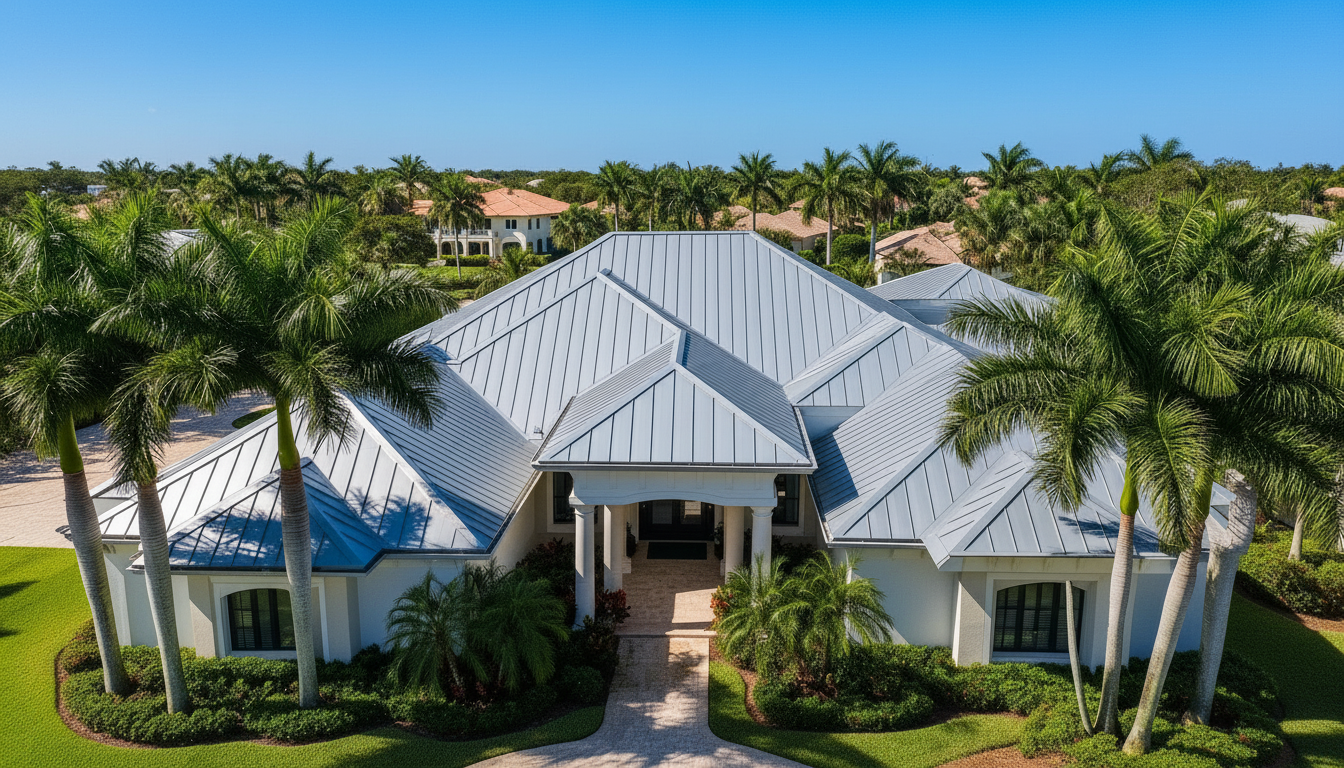
Algae and Black Streaks on Florida Roofs
Algae and Black Streaks on Florida Roofs Black streaks on Florida roofs are usually caused by algae that grow on damp roofing surfaces, especially shaded a
Overview
Algae and Black Streaks on Florida Roofs Black streaks on Florida roofs are usually caused by algae that grow on damp roofing surfaces, especially shaded asphalt shingles. The right response is a roof inspection followed, when appropriate, by manufacturer-approved cleaning—not pressure washing or automatically replacing the roof. The stains can look alarming, particularly when they spread down a roof facing the street. But appearance alone does not tell you whether the roof is leaking, worn out, or structurally damaged. Identifying the growth and checking the material underneath should come before choosing a treatment. Why Black Streaks Develop in Florida A common cause is Gloeocapsa magma, a type of cyanobacteria often called blue-green algae. It develops a dark protective coating that makes colonies visible as gray or black discoloration. On many asphalt shingles, the organisms can use minerals in limestone filler as a nutrient source. Rainwater moving down the slope helps produce the familiar streaked pattern. Florida gives this growth plenty of opportunities. High humidity, warm temperatures, overnight dew, and frequent summer showers repeatedly wet roof surfaces. Heat does not necessarily
Continued (2)
keep a roof dry: shaded sections can retain moisture even during hot weather, especially beneath dense tree canopies. North-facing slopes often show staining first because they receive less direct sunlight. Areas below overhanging branches, beside taller roof sections, and near accumulated leaves may also stay damp longer. Two sides of the same home can look very different without having different roofing materials. Thunderstorms add windblown debris and repeated wetting. Tropical storms can leave branches, clogged drainage paths, or damaged roofing that needs attention beyond cleaning. After severe weather, do not assume a newly noticed dark area is simply algae; missing shingles, displaced tiles, and active leaks deserve separate evaluation. Is It Algae, Mold, Dirt, or Roof Damage? Algae commonly appear as relatively flat, dark streaks. Moss is thicker and may look fuzzy or cushion-like. Lichen tends to form attached, crusty patches. Dirt, leaf residue, rust, and runoff from roof-mounted equipment can also discolor roofing. These problems do not all respond to the same treatment. On asphalt shingles, dark staining is often primarily a cosmetic issue. It does not, by itself,
Continued (3)
prove that the roof needs replacement. However, widespread granule loss, exposed asphalt, curling edges, or brittle shingles can indicate deterioration that washing will not fix. Algae and an aging roof can exist at the same time. Concrete and clay tile can develop biological growth too, although their surface condition and cleaning requirements differ from shingles. On metal roofing, discoloration may involve organic buildup, coating deterioration, or corrosion. A cleaner suitable for one roof may harm another, so identifying the material and finish matters. Step by Step: What to Do About Black Roof Streaks Step 1: Document the staining from the ground Take photos from safe locations and note which slopes are affected. Look for nearby trees, leaf buildup, and sections that remain shaded. Record any indoor water stains separately. Avoid climbing onto the roof: damp algae can make surfaces slippery, and tile can break under misplaced steps. Step 2: Have the roof’s condition checked Before cleaning, have a roofing professional evaluate accessible surfaces, flashing, penetrations, and drainage areas. The goal is to distinguish surface staining from repair needs. Loose shingles,
Continued (4)
cracked tiles, deteriorated flashing, or vulnerable penetrations may need attention before anyone applies water or treatment. Step 3: Confirm the approved cleaning method Ask which instructions apply to your roofing product. For asphalt shingles, industry guidance commonly calls for an appropriate chemical treatment applied without damaging pressure, rather than aggressive washing. The cleaning product, concentration, application, dwell time, and rinsing requirements should follow applicable manufacturer directions. “Soft washing” alone is not enough detail to judge a proposal. Step 4: Plan for plants, runoff, and weather Cleaning should account for landscaping, gutters, downspouts, nearby vehicles, pools, and any rainwater collection system. Ask how plants and adjacent surfaces will be protected and where runoff will go. Florida’s afternoon storms, strong sun, and gusty winds can affect application and drying, so suitable weather matters. Step 5: Clean without stripping the roof surface Do not use high-pressure washing on asphalt shingles. It can dislodge protective granules and damage the roofing. Aggressive brushing can also cause harm. Tile and metal roofs require their own material-specific procedures; being harder than shingles does not make them immune
Continued (5)
to surface damage or water intrusion from improper cleaning. Step 6: Review the result and address moisture traps After treatment, review the roof’s appearance and any remaining concerns. Results depend on the growth, material, and existing wear; cleaning cannot restore missing granules or repair a damaged finish. Remove accumulated debris safely and consider appropriate tree trimming to improve drying without damaging trees or the roof. What Affects the Cost of Roof Algae Cleaning? A useful quote should reflect your actual roof, not just a standard house size. Roof surface area, pitch, height, and access all affect labor and safety requirements. A steep two-story roof with several valleys requires a different setup than a low, straightforward roof with easy access. Material and condition matter as well. Fragile tile, aging shingles, specialty finishes, heavy growth, and difficult drainage can change the work involved. Protecting extensive landscaping or managing runoff near a pool may also require additional preparation. Ask whether the written scope includes inspection, cleaning, landscape protection, debris removal, and any follow-up assessment. Repairs should be identified separately rather than hidden inside
Continued (6)
a cleaning description. A lower price is not a better value if it depends on damaging pressure or skips necessary precautions. If the roof is already near the end of its useful life, discuss whether cleaning makes financial sense. Paying to improve the appearance of material that needs replacement soon may not be worthwhile. Stains alone, however, are not a sound reason to recommend replacement. Keeping Black Streaks from Returning No cleaning method can permanently remove Florida’s humidity or stop airborne organisms from reaching a roof. Recurrence depends on shade, moisture, roof material, and surrounding vegetation. Be cautious about promises that one treatment will keep every roof spotless indefinitely. Keep gutters and roof drainage paths clear, and arrange safe removal of leaf piles and fallen branches. Have overhanging limbs evaluated for appropriate trimming. These measures can reduce moisture traps, but they do not guarantee an algae-free surface. When replacement is actually needed, ask about algae-resistant shingles and their limitations. Copper- or zinc-containing components can help discourage growth in suitable products or installations, but performance varies. Adding metal strips to an
Continued (7)
existing roof requires checking compatibility and attachment details; it should not create new leak points. Frequently Asked Questions Do black streaks mean my Florida roof is leaking? No. Algae staining does not establish that a roof leaks. Indoor stains, damp insulation, or dripping need investigation, whether black streaks are present or not. Can I clean roof algae with household bleach? Some approved cleaning methods use sodium hypochlorite, the active ingredient in bleach, but concentration and application matter. Do not improvise a mixture or combine chemicals. Roof access, runoff, and plant protection also make this more than a simple spray-on task. How often should a Florida roof be cleaned? There is no single schedule for every roof. Base cleaning on observed growth, roof condition, and manufacturer guidance rather than automatically washing each year. Shaded, damp slopes may need attention sooner than sunny ones. Will cleaning make my roof look brand-new? Cleaning may substantially reduce algae stains, but it cannot reverse weathering, granule loss, corrosion, or uneven fading. The expected result should be discussed before work begins. Not sure whether those black
Continued (8)
streaks are algae or a sign of another problem? Request a Roof Inspection from O'Brien Contracting.
O'Brien Contracting — Florida roofing contractor, license CCC1335947. Call (239) 919-4485.
Related pages