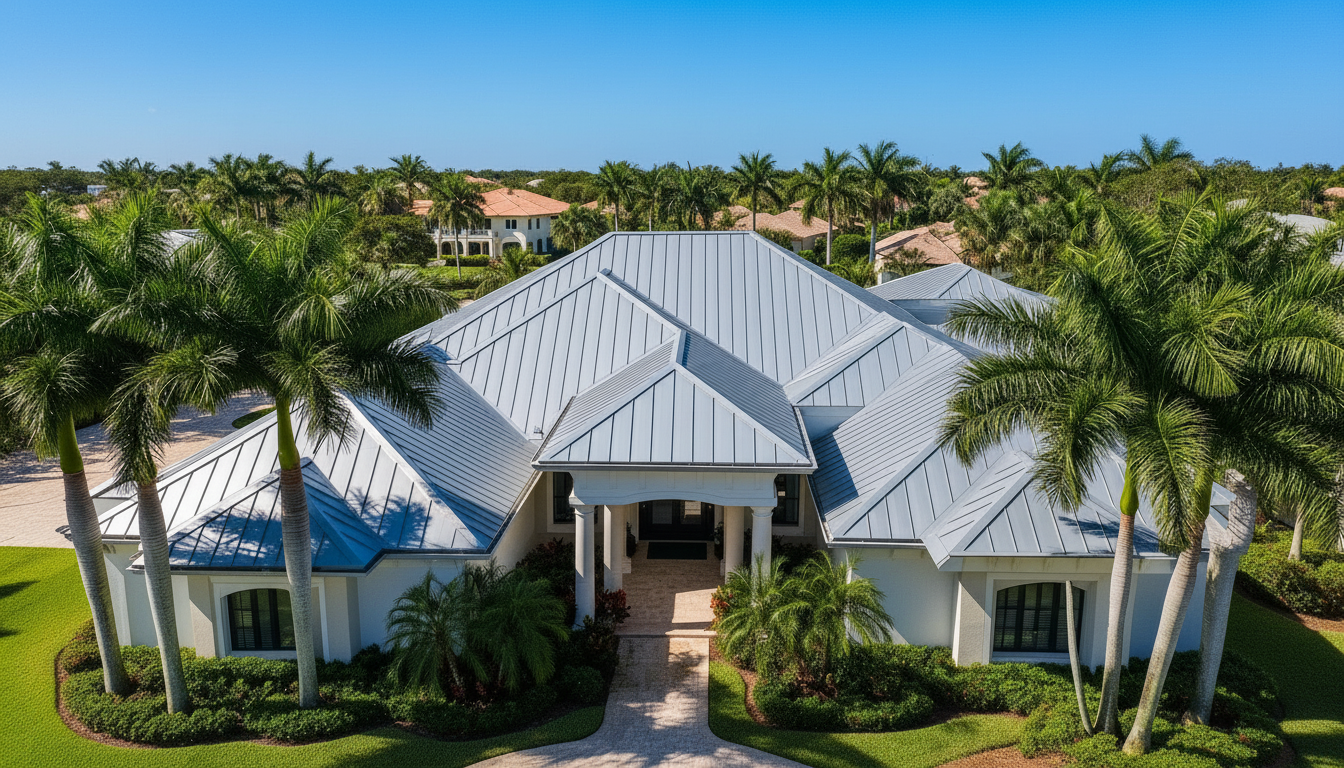
Emergency Roof Repair in Marco Island, Florida: A Homeowner's Guide
Emergency Roof Repair in Marco Island, Florida: A Homeowner's Guide If your Marco Island home has an active roof leak or storm damage that exposes the inte
Overview
Emergency Roof Repair in Marco Island, Florida: A Homeowner's Guide If your Marco Island home has an active roof leak or storm damage that exposes the interior, protect people first, contain water only where safe, and contact a roofing contractor for temporary protection and a repair assessment. Stay off the roof, avoid wet electrical areas, and do not attempt tarping during rain, lightning, or strong winds. A missing tile after a Gulf storm and a ceiling dripping during an afternoon downpour need different responses. The immediate goal is to stop further damage without creating another hazard. Permanent repairs come after someone can safely identify where water entered and how much of the roof assembly was affected. Why Roof Emergencies in Marco Island Need Careful Assessment Marco Island roofs face hurricane winds, wind-driven rain, intense sun, high humidity, and salt exposure. Summer thunderstorms can produce leaks even without a named storm. Wind can push rain beneath damaged roofing or through vulnerable flashing around walls, vents, and other roof penetrations. Concrete and clay tile are common on island homes, alongside metal and
Continued (2)
asphalt shingle roofing. Some homes also have low-slope sections over additions or porches. Each system has different weak points. Tile may look mostly intact while the underlayment beneath it has deteriorated. Metal roofing can develop problems at fasteners, seams, or flashing. Shingles may lift, crease, or detach in strong winds. Heat and sun age exposed sealants and roofing materials, while coastal salt exposure can contribute to corrosion of susceptible metal components. Humidity makes drying wet building materials more difficult. A small-looking opening can therefore lead to damage beyond the visible ceiling stain, especially when repeated rain arrives before repairs are completed. What Counts as a Roofing Emergency? Active water entry, a puncture from debris, displaced roofing that leaves underlying layers exposed, or flashing torn loose ahead of more rain warrants urgent attention. A roof leak near electrical fixtures is particularly dangerous. Sagging ceilings, unusual structural movement, or sounds of cracking call for keeping everyone out of the affected area. If you suspect structural instability, leave the unsafe area and contact emergency services when there is immediate danger. Do not stand
Continued (3)
beneath a swollen ceiling or poke a hole in it yourself. Waterlogged drywall can fall unexpectedly. An old, dry stain or an isolated cracked tile without visible leakage may not require the same emergency measures. It still deserves inspection: the absence of an indoor drip does not prove that the roof beneath it is dry. Step by Step: What to Do Before Repairs Begin Step 1: Make the affected area safe Move people and pets away from leaks, damaged ceilings, and broken glass. If water is near outlets, light fixtures, or electrical equipment, do not touch those items. Shut off power to the affected circuit only if the panel and your access route are dry and safe; otherwise, seek help from an electrician or emergency personnel. Step 2: Protect belongings without taking risks Move furniture, electronics, rugs, and valuables away from the leak when it is safe. Use containers to catch drips and protect nearby belongings with plastic sheeting. Avoid entering an attic during severe weather or where wet wiring, poor footing, or damaged framing could put you at risk.
Continued (4)
Step 3: Document what you can see safely Photograph ceiling stains, dripping water, damaged belongings, and exterior damage visible from the ground. Record when you first noticed the problem and whether it changes with wind or rainfall. Keep receipts for reasonable protective measures. Do not climb onto the roof for photographs; wet tile and metal can be extremely slippery. Step 4: Contact a roofing contractor and describe the damage Explain whether water is actively entering, which rooms are affected, what roofing material you have, and whether debris struck the roof. Mention the number of stories and any access restrictions. Ask how temporary protection will be evaluated and what conditions must improve before crews can work safely. Severe weather and widespread damage can limit availability. Step 5: Have temporary protection professionally assessed A tarp or another temporary covering may reduce water entry, but it must suit the roof and be secured appropriately. Improper fastening can damage tiles, metal panels, or waterproofing layers. Temporary protection is not a permanent repair, and it may need checking after additional wind or rain. Never climb
Continued (5)
up to adjust it yourself. Step 6: Arrange permanent repairs and interior drying Once conditions allow, request an inspection that addresses the leak source, surrounding roofing, flashing, and accessible underlying materials. Wet insulation, drywall, or other interior materials may require separate drying or restoration work. Do not simply paint over a stain while the roof continues leaking or the ceiling remains damp. What a Permanent Repair Should Address The visible drip is not always directly below the roof opening. Water can travel along underlayment, decking, or framing before appearing inside. A useful assessment considers that path rather than treating the ceiling location as proof of where the roof failed. For tile roofs, replacing broken tiles may be only part of the work. The contractor may need to lift surrounding tiles to inspect underlayment and flashing. Matching older tile profiles can also affect the repair approach. On metal roofs, seam details, fasteners, corrosion, and material compatibility deserve attention; adding sealant indiscriminately is not a substitute for identifying the failure. Ask for a written scope explaining the temporary work, permanent repair, materials,
Continued (6)
and any concealed damage that could change the scope. Permit requirements depend on the work involved. For a Marco Island property, confirm applicable requirements with the City of Marco Island Building Services Division rather than assuming emergency circumstances eliminate them. What Affects Emergency Roof Repair Costs? There is no reliable single price for emergency roof repair without knowing the damage and access conditions. A limited flashing repair differs substantially from removing roofing, replacing damaged decking, and rebuilding a larger section. An emergency visit, temporary covering, and permanent repair may be separate charges, so ask how each is handled. Roof height, slope, material, and safe access affect labor and equipment needs. Tile availability, metal panel details, and the amount of roofing that must be removed to reach damaged layers also matter. Storm debris, concealed deterioration, permit requirements, and interior drying can add work beyond the initial leak repair. Compare written scopes, not just totals. Ask what is included, what remains uncertain, and how additional work will be authorized. If you plan to file an insurance claim, contact your insurer about documentation
Continued (7)
and policy requirements. Coverage, deductibles, and payment decisions depend on the policy and circumstances; a contractor cannot promise approval. Frequently Asked Questions Can one broken roof tile cause a serious leak? It can allow more water to reach the underlayment, but the condition of the layers beneath it matters. One broken tile does not automatically mean extensive damage, and intact-looking tiles do not rule out a leak. Inspection helps establish the actual problem. Should I wait until hurricane season ends to repair a leak? No. Repeated rain can worsen damage to decking, insulation, and ceilings. Arrange safe temporary protection when needed and permanent repairs when conditions, materials, and any required permits allow. Who handles a roof leak in a Marco Island condominium? Notify your condominium association or property manager immediately and follow its emergency reporting process. Roof maintenance responsibility depends on the governing documents. Document damage inside your unit and contact your insurer as appropriate without assuming the association handles every related expense. Does an emergency leak mean I need a new roof? Not necessarily. Localized damage may be repairable.
Continued (8)
Widespread underlayment deterioration, repeated failures, or substantial storm damage may justify a broader repair or replacement discussion. Ask for findings that explain the recommendation rather than deciding from the indoor stain alone. Get the Damage Assessed Temporary protection can limit further water entry, but the next step is understanding the roof’s condition and the repair it actually needs. Request a Roof Inspection from O'Brien Contracting.
O'Brien Contracting — Florida roofing contractor, license CCC1335947. Call (239) 919-4485.
Related pages