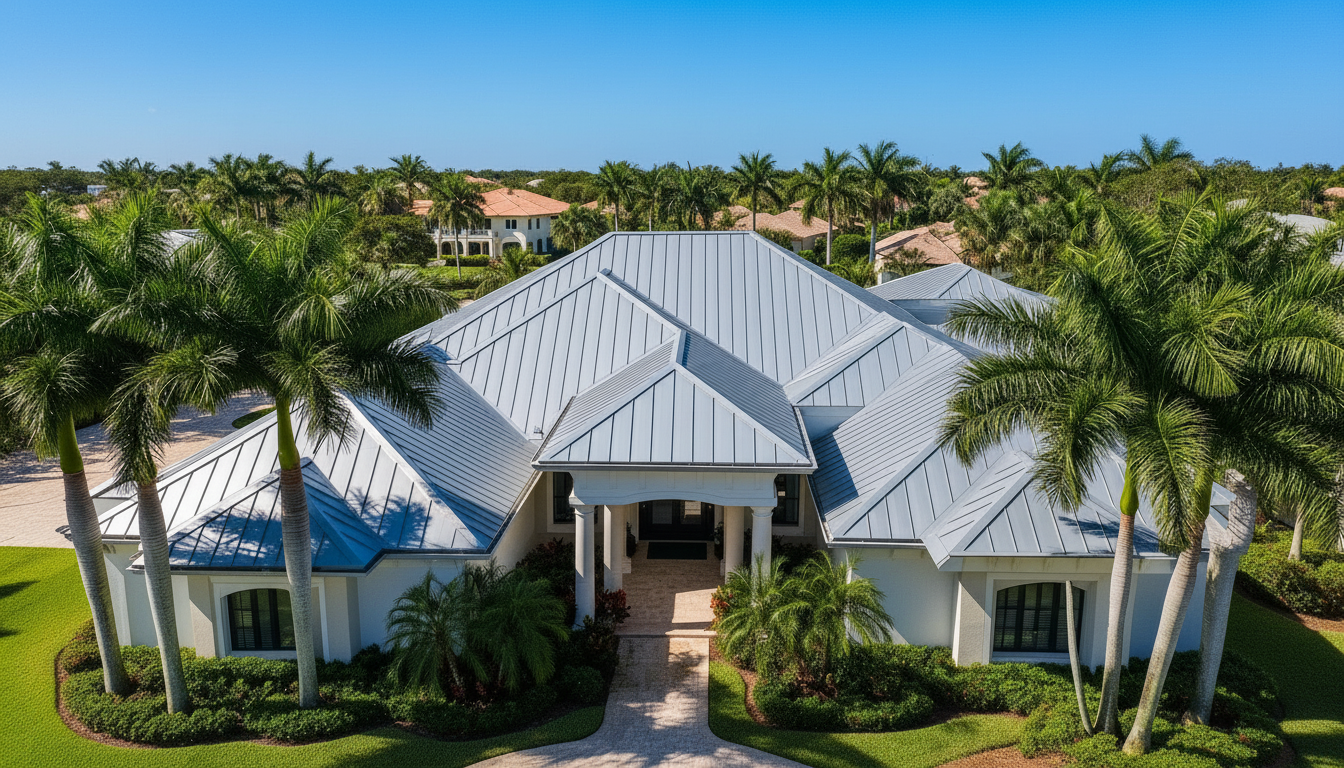
Emergency Roof Tarping in Lakewood Ranch, Florida: A Homeowner's Guide
Emergency Roof Tarping in Lakewood Ranch, Florida: A Homeowner's Guide Emergency roof tarping temporarily covers storm-damaged roofing to reduce additional
Overview
Emergency Roof Tarping in Lakewood Ranch, Florida: A Homeowner's Guide Emergency roof tarping temporarily covers storm-damaged roofing to reduce additional rain entry until permanent repairs can be made. If your Lakewood Ranch home has missing roofing, an impact opening, or an active leak after a storm, arrange a professional assessment promptly, but keep everyone off the roof until conditions are safe. A tarp is a temporary barrier, not a roof repair. Its usefulness depends on where water is entering, the condition of the surrounding roof, and whether the covering can be secured without creating more damage. Why Roof Tarping Matters in Lakewood Ranch Lakewood Ranch spans parts of Manatee and Sarasota counties, where summer thunderstorms can bring intense rainfall, gusty winds, and lightning. Tropical storms and hurricanes can leave roof damage exposed to repeated rain bands. Even after the strongest weather passes, another afternoon downpour may arrive before permanent repairs are possible. Many homes in Lakewood Ranch have concrete tile or asphalt shingle roofing, often with multiple hips, valleys, and roof-to-wall connections. These features affect how water drains and how
Continued (2)
a temporary covering must be positioned. A tarp placed directly above a ceiling stain may miss the entry point because water can travel along roof decking or framing before appearing indoors. Florida heat and ultraviolet exposure can weaken temporary materials, while humidity slows the drying of wet building components. Wind can loosen edges and fasteners. A tarp that looked secure when installed still needs follow-up, especially after another storm. When a Tarp May Be Needed—and When It Is Not Enough Missing shingles, displaced tiles, punctures from branches, and exposed roof decking are reasons to request an assessment. Indoors, fresh ceiling stains, dripping near an exterior wall, or wet attic insulation may indicate roof-related water intrusion. Photograph visible damage from a safe location rather than climbing up to investigate. Not every leak calls for the same covering. Damaged flashing around a wall connection or roof penetration may need a different temporary treatment. On tile roofs, broken tiles do not automatically reveal the condition of the underlayment beneath them. The roofer needs to evaluate the water-shedding system, not just the visible surface.
Continued (3)
A tarp also cannot stabilize a sagging roof or make a damaged structure safe. If a tree has struck the house, the roof appears distorted, or a ceiling is bulging, stay out of the affected area. Avoid water near electrical fixtures, and contact emergency services or the utility when there is an immediate hazard. Step by Step: What Homeowners Should Do Step 1: Protect people before belongings Stay indoors during lightning and strong winds, away from damaged ceilings and windows. Do not use a ladder while surfaces are wet or winds remain gusty. Move people and pets out of rooms with sagging ceilings. If you suspect structural damage, leave the affected area rather than attempting an attic inspection. Step 2: Limit interior damage safely Move furniture, electronics, and valuables away from the leak if you can reach them safely. Use containers to catch drips and protect nearby flooring. Do not touch wet electrical equipment or stand in water to reach a breaker panel. Avoid puncturing a swollen ceiling yourself; trapped water and weakened drywall can fall unexpectedly. Step 3: Document
Continued (4)
what you can see Take dated photos of interior leaks, damaged belongings, and roof damage visible from the ground. Note when the leak started and whether it occurred during wind-driven rain. Save receipts for temporary protection and cleanup. Documentation helps explain the damage, but it does not establish coverage or guarantee an insurance payment. Step 4: Arrange a roof assessment Tell the contractor your roof type, the number of stories, whether water is actively entering, and whether a tree or debris struck the home. Mention access restrictions, gates, pets, and nearby screen enclosures. In Lakewood Ranch neighborhoods with closely spaced homes or landscaped side yards, these details can affect safe ladder placement and equipment access. Step 5: Review the temporary protection plan Ask what area needs covering, how water will drain, and how the tarp will be secured. The covering generally needs to extend beyond the damaged area, with its upper edge arranged to prevent runoff from slipping underneath. The attachment method should account for the roof material and condition; there is no single method suitable for every roof. Step
Continued (5)
6: Confirm the next actions Request photos of the completed temporary work and a written description of what was done. Ask about any areas that remain vulnerable and what conditions should trigger another visit. Then arrange the permanent repair assessment and any necessary interior drying. Emergency tarping should lead to a repair plan, not become an indefinite substitute for one. Special Considerations for Tile and Shingle Roofs Tile roofs need careful handling because walking on them can crack otherwise serviceable tiles. Their curved or profiled surfaces also complicate tarp placement and attachment. Securing a tarp without considering the underlayment, flashing, and drainage paths can leave hidden entry points or introduce new damage. On shingle roofs, the roofer should evaluate whether wind has lifted or torn surrounding shingles and whether the decking offers a sound attachment surface. Loose shingles under a covering may conceal a larger damaged area. Fasteners used for temporary protection can leave penetrations that need attention during permanent repairs. Nearby gutters, solar equipment, skylights, and pool cage connections can further limit access. Homeowners should not remove equipment or
Continued (6)
climb onto a screen enclosure to reach the roof. What Affects Emergency Roof Tarping Costs? A useful estimate depends on the actual roof and damage. The size of the opening matters, but so does the larger area that must be covered to shed water properly. Multiple damaged sections may require separate coverings rather than one tarp. Roof height, slope, tile fragility, safe access, and the condition of the decking affect labor and installation choices. Debris removal, specialized access equipment, or coordination around tree damage may add work. Emergency scheduling and widespread storm demand can also influence availability and pricing. Ask for a written scope identifying the coverage area, materials, attachment approach, and any separate charges for follow-up visits or removal. Clarify whether permanent repairs are quoted separately. Do not assume a lower initial price includes checking the tarp after later storms. If you plan to file an insurance claim, contact your insurer promptly about reporting requirements and documentation for emergency mitigation. Policies, deductibles, and covered causes of loss vary. Do not delay measures needed to protect people while waiting for
Continued (7)
a coverage decision. Frequently Asked Questions How long can a roof tarp stay in place? There is no dependable lifespan for every tarp. Material quality, installation, sun exposure, and subsequent weather all matter. Schedule permanent repairs as soon as practical and have the covering reassessed if it loosens or leaking returns. Can I install a tarp on my Lakewood Ranch roof myself? Storm-damaged roofs combine fall hazards, unstable surfaces, and potentially hidden structural damage. Tile adds another slipping and breakage risk. Ground-level documentation and safe interior protection are better homeowner tasks; leave roof access and attachment decisions to a professional. Do I need to contact my homeowners association? Check your neighborhood’s governing documents and notify the association or property manager about visible emergency protection. Temporary coverings and permanent roof changes may be treated differently. Also ask the contractor whether permits or other local requirements apply to the planned work. What should I do if water leaks after tarping? Keep clear of electrical hazards and damaged ceilings, document the new leak, and contact the contractor for reassessment. Water may be entering
Continued (8)
beyond the covered area, or the covering may have shifted. Do not climb up to adjust it yourself. For help assessing roof damage and planning temporary protection, Request a Roof Inspection from O'Brien Contracting.
O'Brien Contracting — Florida roofing contractor, license CCC1335947. Call (239) 919-4485.
Related pages