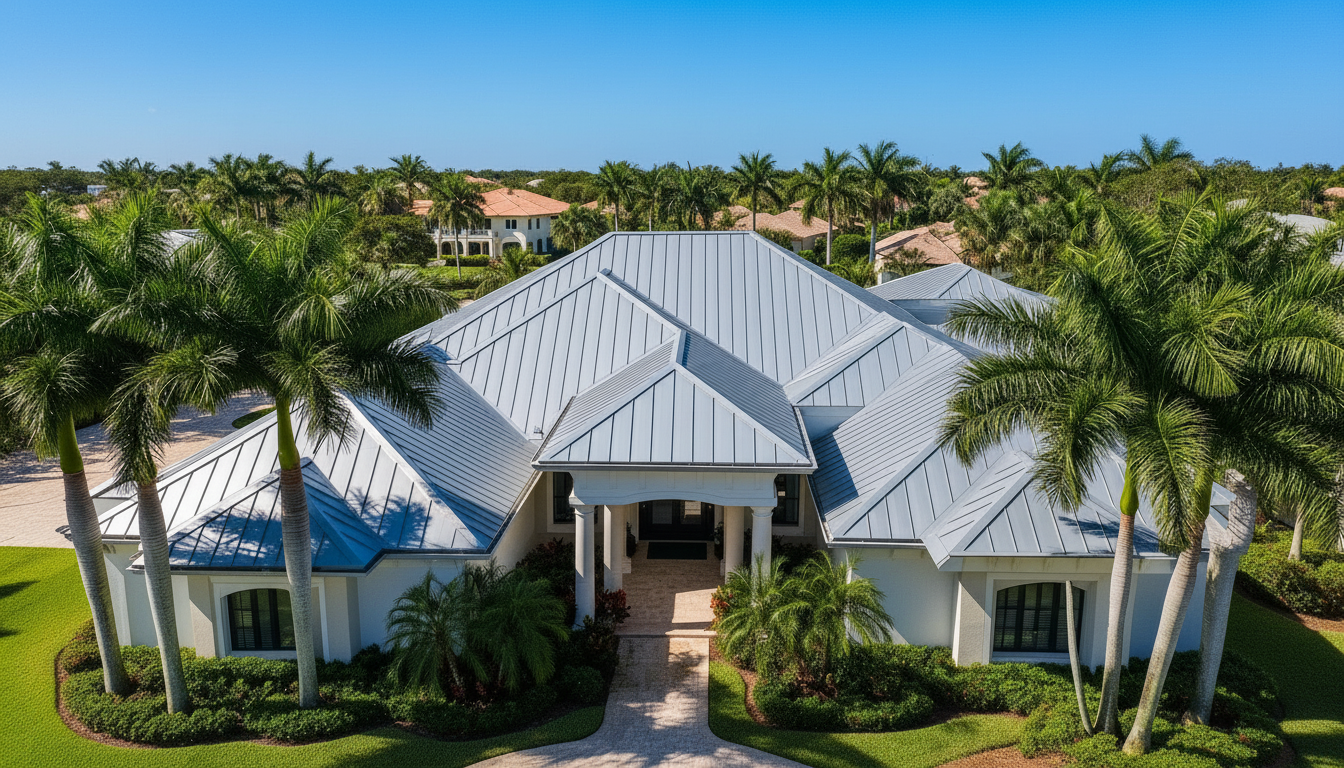
Florida 25% Roof Replacement Rule Explained
Florida 25% Roof Replacement Rule Explained Florida’s 25% roof replacement rule generally requires replacement of an entire roofing system or roof section
Overview
Florida 25% Roof Replacement Rule Explained Florida’s 25% roof replacement rule generally requires replacement of an entire roofing system or roof section when more than 25% is repaired, replaced, or recovered within 12 months. However, an important exception allows qualifying roofs built, repaired, or replaced in compliance with the 2007 Florida Building Code or a later edition to avoid that full-replacement requirement, with the affected work still required to meet current code. For homeowners, the key questions are how much roof work is proposed, what counts as the roof section, and whether records establish eligibility for the exception. Storm damage alone does not answer those questions, and a contractor’s recommendation is not the same as a building department’s determination. What the 25% Rule Actually Measures The rule appears in Section 706.1.1 of the Florida Building Code, Existing Building. It addresses the area of a roofing system or roof section repaired, replaced, or recovered during any 12-month period. Recovering generally means installing a new roof covering over an existing one rather than removing it first. The threshold is “more than 25%,”
Continued (2)
not “25% or more.” For example, if the applicable roof section measures 2,000 square feet, work covering 500 square feet is exactly 25%. Work covering 600 square feet exceeds the threshold. That distinction matters, although other code requirements can still make a larger repair or replacement necessary. The calculation uses roofing area, not the home’s interior living area. Roof slopes, overhangs, garages, and additions can make those figures substantially different. Measurements should identify both the total applicable area and the proposed work area. The 12-month period is not a calendar year that resets on January 1. Earlier repairs may affect a later project’s calculation. Splitting work into separate contracts does not automatically avoid the rule. How the 2007 Code Exception Changes the Outcome Florida Statutes Section 553.844(5) establishes the exception for qualifying roofs, and the Florida Building Code incorporates it. If the existing roofing system or roof section was built, repaired, or replaced in compliance with the 2007 Florida Building Code or a subsequent edition, exceeding 25% does not automatically require replacement of the entire system or section. Instead, the
Continued (3)
portion being repaired, replaced, or recovered must comply with the code currently in effect. This is not permission to reuse unsuitable materials, ignore damaged decking, or install a roof covering contrary to its approved installation requirements. A roof’s installation year is a starting point, not conclusive proof. The code edition governing its permit, the approved scope, and inspection records matter. A small repair completed under a newer code also should not be assumed to establish compliance for every part of an older roof. For a roof that does not qualify, work exceeding the threshold can trigger replacement of the entire applicable roofing system or section. The local building department should confirm how the rule applies before the project scope is finalized. What Counts as a Roof Section? A roof section is not simply whichever area makes the percentage calculation convenient. The code’s definition considers separation through features such as expansion joints, parapet walls, flashing, differences in elevation, and certain roof-system differences. A flat roof over an addition and a pitched roof over the main house may require separate evaluation. However,
Continued (4)
separate slopes on the same roof are not automatically separate sections. A roofer should not assume that the front-facing slope can be calculated independently just because the damage is concentrated there. Ask for a roof sketch showing the proposed section boundaries and their basis. When the boundary changes whether a project exceeds 25%, resolving that issue with the permitting authority is especially important. Why Florida Weather Makes the Assessment More Complicated After a hurricane or severe thunderstorm, visible damage may be scattered across several roof slopes. Lifted shingles, displaced tiles, and damaged flashing can produce a repair area that differs from the footprint of an indoor leak. Water can travel before appearing on a ceiling. Florida’s heat and ultraviolet exposure can make older roofing materials brittle. Removing damaged shingles may disturb neighboring shingles that cannot be lifted and resealed reliably. Humidity and repeated wetting can also leave concealed decking deterioration that becomes apparent only after tear-off. These conditions can expand the necessary work, but they do not justify an unsupported whole-roof replacement recommendation. The inspection should distinguish documented storm damage,
Continued (5)
existing deterioration, and materials that must be removed to complete a sound repair. Step by Step: Determine How the Rule Applies Step 1: Gather roof records Collect permits, final inspection records, reroof documents, and repair invoices. Check the city or county permit portal if your files are incomplete. Establish which code edition applied and whether the permitted work received final approval. Step 2: Document the roof’s condition Have the roof assessed for covering damage, flashing problems, soft decking, and signs of moisture intrusion. Photographs and written findings should explain why each area needs work. Avoid climbing onto a storm-damaged roof yourself. Step 3: Measure the proposed work Request measurements for the roofing system or applicable section and the repair area. Include relevant work completed during the preceding 12 months. Ask how adjacent materials disturbed during the repair affect the scope. Step 4: Confirm exception eligibility Provide the available code-compliance records to the contractor and local building department. Do not rely solely on statements that the roof is “new enough” or that Florida eliminated the 25% rule. Step 5: Set the
Continued (6)
permitted scope Confirm whether the project requires a repair, section replacement, or broader replacement. Applicable requirements can differ by location, including within Miami-Dade and Broward counties’ High-Velocity Hurricane Zone. Wind-design requirements and product approvals also matter outside that zone. Step 6: Address concealed damage and closeout Before work begins, establish how additional decking damage or expanded work will be documented and priced. If discoveries change the percentage calculation or permitted scope, involve the building department. Keep final inspection records for future repairs, insurance discussions, and a home sale. What Affects the Cost? The percentage threshold does not determine a project’s price by itself. A qualifying partial repair can still require substantial labor, especially when access is difficult or surrounding materials are fragile. Roof size, pitch, height, and access conditions. Roofing material and availability of compatible replacement products. Tear-off, disposal, underlayment, flashing, and attachment requirements. Concealed decking damage and any required structural work. Permit fees, inspections, and applicable local requirements. The extent of work needed to connect new roofing to existing materials correctly. Ask for a written scope identifying included work,
Continued (7)
exclusions, and how unforeseen conditions will be handled. Compare those details rather than assuming the lowest total covers the same project. Code requirements and insurance coverage are separate issues; a code-triggered replacement does not guarantee payment under a policy. Frequently Asked Questions Does damage to 25% of my roof automatically require full replacement? No. The rule addresses work exceeding 25% within 12 months, not simply a damage estimate of exactly 25%. Exception eligibility, roof-section boundaries, and other applicable requirements must also be evaluated. Was Florida’s 25% roof rule repealed? No. Florida added an exception for qualifying roofs compliant with the 2007 Florida Building Code or later editions. The threshold can still affect roofs that do not qualify. Can I make several small repairs instead of replacing the roof? Possibly, but relevant work within the same 12-month period must be considered together. Separate invoices or contractors do not automatically make each repair independent for this calculation. Will homeowners insurance pay if the rule requires replacement? Not necessarily. Payment depends on the covered cause of loss, policy terms, exclusions, deductibles, and any
Continued (8)
applicable ordinance or law coverage. A building department’s requirement does not establish insurance coverage. Get a documented assessment before deciding between a repair and replacement. Request a Roof Inspection from O'Brien Contracting.
O'Brien Contracting — Florida roofing contractor, license CCC1335947. Call (239) 919-4485.
Related pages