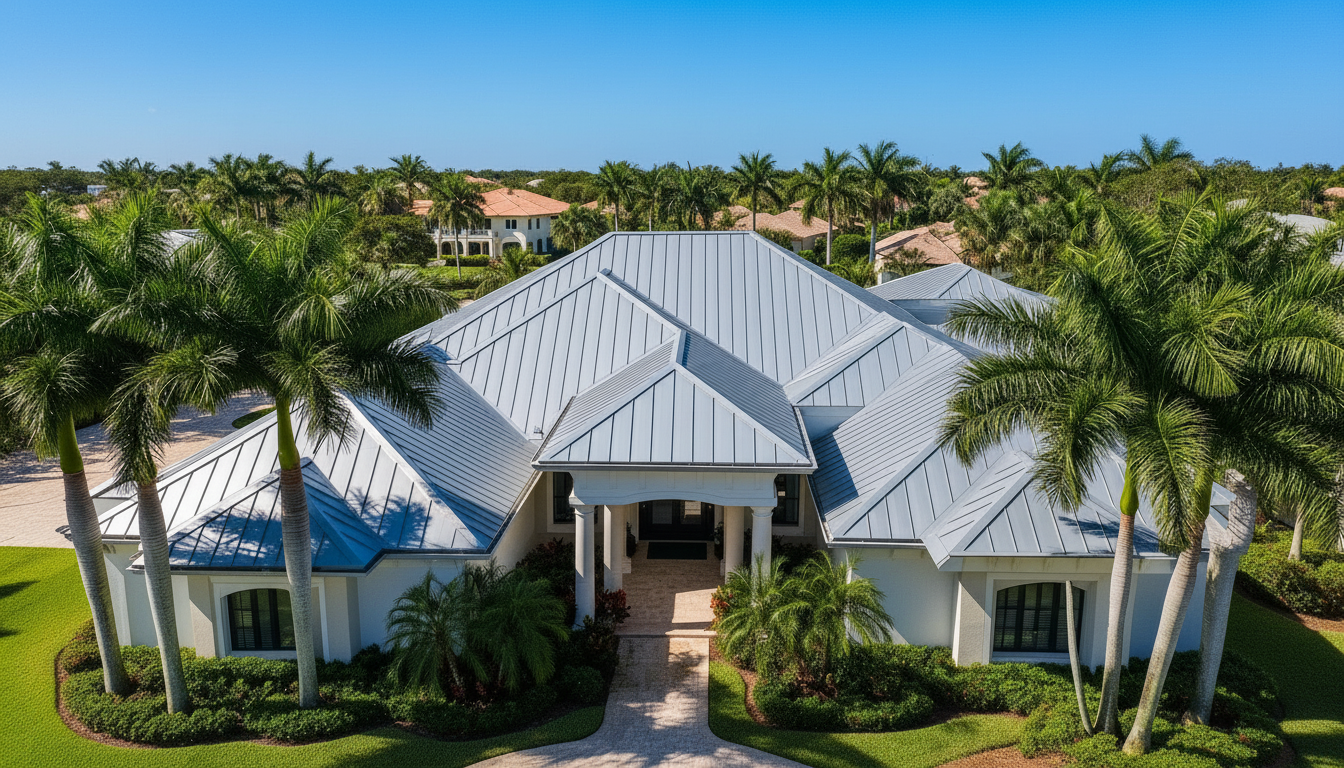
Roof Inspection in Bradenton, Florida: A Homeowner's Guide
Roof Inspection in Bradenton, Florida: A Homeowner's Guide A roof inspection in Bradenton, Florida, should evaluate your roof covering, flashing, drainage,
Overview
Roof Inspection in Bradenton, Florida: A Homeowner's Guide A roof inspection in Bradenton, Florida, should evaluate your roof covering, flashing, drainage, and accessible attic for storm damage, leaks, deterioration, and signs of wind vulnerability. Schedule one when you notice a problem, after a storm that may have damaged your property, or before a purchase or insurance deadline—and request written findings with photos and clear next steps. Bradenton homeowners need more than a quick look at shingles from the driveway. Wind-driven rain can enter around otherwise unnoticed flashing defects, while attic moisture may come from ventilation or bathroom exhaust problems rather than a roof leak. A useful inspection separates these issues instead of treating every stain as proof that you need a new roof. What Bradenton Weather Does to a Roof Summer thunderstorms bring intense rain that tests valleys, gutters, and roof-to-wall connections. Tropical storms and hurricanes can lift roofing materials, damage edge details, and send branches or other debris onto the roof. Even when the roof covering remains in place, wind-driven water can expose weaknesses around vents and flashing. Strong
Continued (2)
sun and long periods of heat age exposed roofing materials and sealants. High humidity slows drying in shaded areas and can contribute to moisture problems where attic ventilation or exhaust routing is inadequate. On properties closer to saltwater, metal components deserve attention for corrosion; exposure varies with location and shelter. Bradenton has a mix of older homes, newer subdivisions, and properties with additions built at different times. Asphalt shingles and concrete or clay tile are common sights, alongside metal roofing and low-slope sections over porches or additions. Those transitions matter: a sound main roof does not rule out a leak where an attached lanai meets the house. When Should You Schedule an Inspection? Have the roof checked when you find ceiling discoloration, damp attic insulation, loose roofing materials, overflowing gutters, or debris impact. After a significant storm, inspect safely from the ground first. Missing shingles, displaced tiles, bent metal, and fresh debris are reasons to arrange a closer assessment, but some damage is not visible from below. A periodic inspection can also help identify maintenance needs before summer rains become
Continued (3)
frequent. The appropriate interval depends on roof age, material, tree coverage, past repairs, and manufacturer maintenance guidance. An older roof with recurring leaks needs a different approach from a newer roof with no known issues. For a home purchase or insurance request, confirm exactly which report is required before booking. A general condition inspection, a four-point inspection, and a wind mitigation inspection serve different purposes and are not automatically interchangeable. Step by Step: What a Roof Inspection Should Include Step 1: Review the roof's history and your concerns Share the approximate installation date, repair records, available permits, and any history of leaks. Explain when water appears: during steady rain, only with wind from one direction, or hours after a storm. Photos taken when a stain first appeared can help establish what changed. Mention solar panels, skylights, and additions that may complicate access or leak tracing. Step 2: Check the exterior from the ground The inspector should look at roof shape, visible sagging, displaced materials, fascia, soffits, gutters, and nearby trees. Ground observations help identify areas needing closer attention and possible
Continued (4)
access hazards. Homeowners should not climb onto the roof themselves; wet surfaces, steep slopes, and fragile tiles make a closer look risky. Step 3: Examine the roof covering using a safe method The inspection method should suit the roof's condition, slope, and material. Walking is not appropriate for every roof, especially where tile could break or surfaces are unsafe. If viewing is limited to ladders, cameras, or other methods, the report should explain those limitations rather than imply every area was closely examined. On shingle roofs, look for missing or creased shingles, exposed fasteners, wear, and deterioration around penetrations. Tile inspections should address cracked or shifted tiles and visible flashing concerns; intact tiles alone do not establish the condition of the underlayment beneath them. Metal roofs need attention at seams, fasteners, penetrations, and corroded areas. Low-slope sections should be checked for drainage problems and membrane defects. Step 4: Inspect flashing, edges, and drainage Roof valleys, wall intersections, chimneys, skylights, and plumbing vents deserve close attention because they interrupt the roof's water-shedding surface. The inspector should identify loose or deteriorated flashing
Continued (5)
and questionable patchwork. Gutters and downspouts should be checked for blockages and discharge problems. On low-slope areas, debris lines or staining may suggest standing water, although a dry-day visit cannot establish how long water remains. Step 5: Examine accessible attic and interior areas With permission and safe access, the inspector should look for stained decking, damp insulation, visible deterioration, and moisture around penetrations. Bathroom exhaust should not discharge into the attic. Not every stain indicates an active leak, and condensation can resemble roof leakage. Inaccessible sections and concealed conditions should be documented as limitations. Step 6: Review photos, priorities, and next steps Ask for findings organized by urgency: active leaks or loose materials, repairs that should be planned, and routine maintenance. The report should distinguish observed defects from suspected causes. If leak tracing requires another visit, controlled testing, or opening a concealed area, that need should be explained before additional work begins. What Affects Roof Inspection Cost in Bradenton? There is no single reliable price for every Bradenton home. Cost depends on roof size, height, pitch, material, access, and complexity.
Continued (6)
Multiple roof levels, fragile tile, solar equipment, and several additions can require more time or different inspection methods. Attic access and the depth of written documentation also affect the scope. A basic condition assessment is different from investigating an intermittent leak or preparing a specific insurance-related report. Ask whether the quoted service includes attic observations, photographs, written recommendations, and any required forms. Confirm potential charges for additional testing or return visits before authorizing them. If an insurer requested the inspection, obtain its requirements first. A wind mitigation inspection documents certain construction features related to wind resistance; a four-point inspection typically addresses roofing, electrical, plumbing, and heating and cooling systems. Neither guarantees coverage, a premium reduction, or claim approval. How to Use the Findings Without Rushing a Decision A roof's age is useful context, not a complete diagnosis. Localized flashing damage may call for a targeted repair, while widespread deterioration or repeated failures may justify discussing replacement. Ask what evidence supports the recommendation and whether the proposed work addresses the cause rather than covering symptoms. Keep the report, dated photos, and
Continued (7)
repair records together. They create a baseline for future inspections and help explain changes after a storm. If a recommendation involves substantial work, request a written scope identifying the affected areas, materials, and any uncertainties about concealed damage. Frequently Asked Questions Can a roof inspection tell me exactly how many years my roof has left? No. An inspector can assess visible condition and discuss likely concerns, but remaining life depends on weather, installation, maintenance, and concealed conditions. Treat a precise expiration date cautiously. Should I get an inspection after a hurricane if there is no leak? Consider one if your property experienced strong winds, debris impact, or visible changes. Some displaced materials and flashing damage do not cause an immediate indoor leak. Can the roof be inspected while it is raining? Some interior observations may be useful during rain, but roof access can be unsafe. Exterior work may need to wait until conditions allow safe inspection. Does a clean inspection mean the roof cannot leak? No. An inspection records conditions observable at that time. Concealed defects and leaks triggered by
Continued (8)
unusual wind or rainfall may not be evident during the visit. Get a clearer picture of your Bradenton roof's condition and maintenance needs. Request a Roof Inspection from O'Brien Contracting.
O'Brien Contracting — Florida roofing contractor, license CCC1335947. Call (239) 919-4485.
Related pages