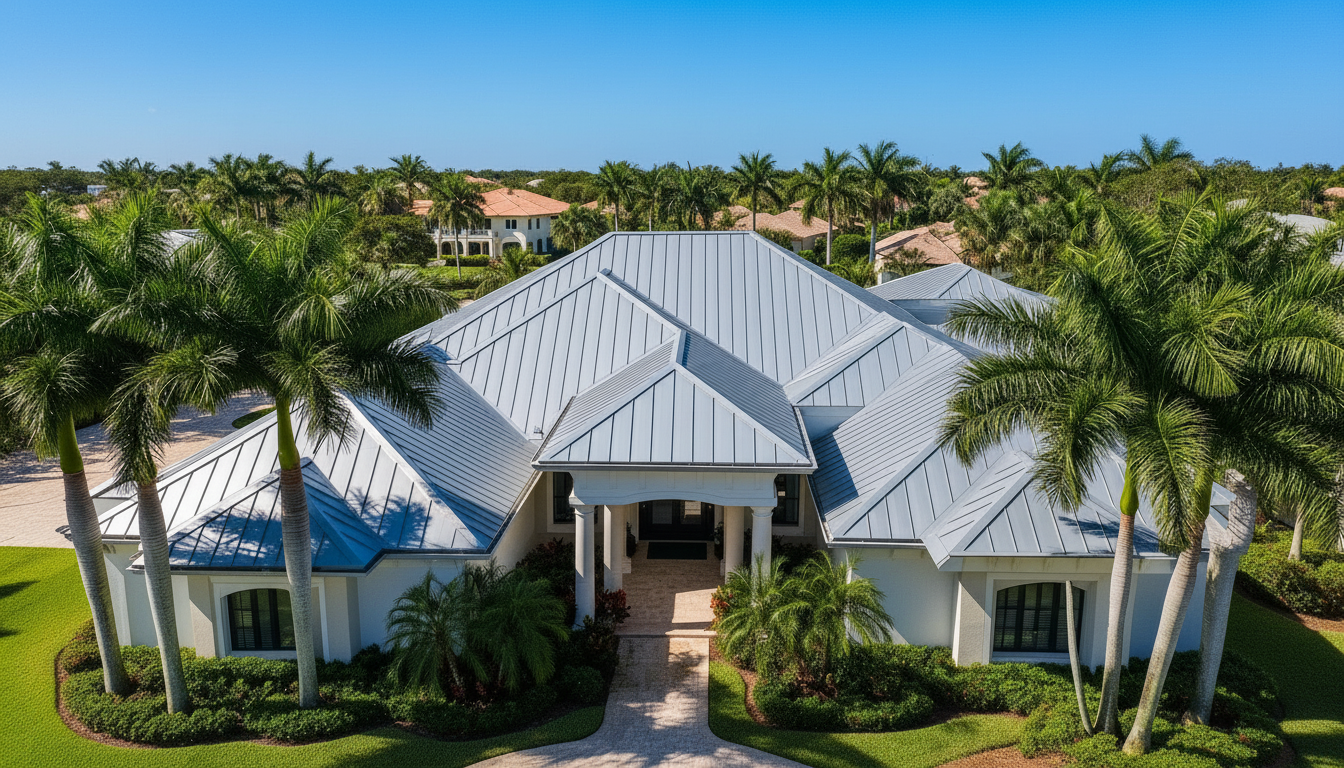
Roof Leak Repair in Punta Gorda, Florida: A Homeowner's Guide
Roof Leak Repair in Punta Gorda, Florida: A Homeowner's Guide Roof leak repair in Punta Gorda starts with locating where water enters, identifying the dama
Overview
Roof Leak Repair in Punta Gorda, Florida: A Homeowner's Guide Roof leak repair in Punta Gorda starts with locating where water enters, identifying the damaged roofing or flashing, and repairing that assembly—not simply covering the indoor stain or applying surface sealant. If your roof is leaking now, contain the water safely, stay off the roof, and arrange an inspection to determine whether the damage is isolated or extends beneath the roof covering. A ceiling spot after an afternoon thunderstorm can look minor, yet the entry point may be several feet away. Water can travel along roof decking, framing, or penetrations before reaching drywall. In Punta Gorda, wind-driven rain and repeated summer downpours make tracing that route especially important. Why Punta Gorda Roofs Develop Leaks Punta Gorda homes face intense sunlight, humid weather, and hurricane-season storms. Heat and daily temperature changes repeatedly expand and contract roofing materials. Over time, exposed sealants can deteriorate, flashing connections can loosen, and aging roof coverings become less able to shed rain. Storm winds can lift shingles, displace tiles, and push rain toward vulnerable seams. A
Continued (2)
roof that stays dry during ordinary rain may leak when gusts drive water against a wall intersection or beneath damaged roofing. Near Charlotte Harbor and canals, salt exposure can also contribute to corrosion of susceptible metal components. Homes here commonly have asphalt shingle, concrete or clay tile, or metal roofs. Some also have low-slope roofing over a lanai, addition, or enclosed porch. Those transitions deserve attention because materials with different drainage requirements meet in a relatively small area. On shingle roofs, look for missing or creased shingles, damaged flashing, and deteriorated pipe boots. On tile roofs, cracked or shifted tiles may expose underlying materials. The underlayment and flashing also need evaluation; replacing a visible broken tile may not stop the leak. On metal roofs, potential trouble spots include penetrations, seams, flashing, and deteriorated washers on exposed-fastener systems. On low-slope sections, poor drainage, open seams, and damaged roof-to-wall connections can allow water inside. What to Do When You Notice a Leak Start with safety and damage control. Do not climb onto wet roofing, walk on tile to investigate, or enter an
Continued (3)
attic during dangerous storm conditions. If water is near wiring, lights, or outlets, keep away and seek qualified help. Do not touch a wet electrical panel. Step 1: Protect the room below Move furniture, electronics, and valuables out of the wet area. Catch dripping water in a container when you can do so safely. Keep people away from sagging or bulging ceilings, which can release water or collapse. Avoid standing beneath the damaged area or attempting to puncture it yourself. Step 2: Record when and where it happens Photograph the ceiling stain, dripping water, and damaged belongings. Note whether the leak occurs during steady rain, only with strong wind, or after a storm has passed. This pattern can help narrow the search. From the ground, photograph visible roof damage without approaching fallen lines or unstable debris. Step 3: Check accessible indoor clues If the attic is safely accessible, observations from a stable access point may reveal damp insulation, stained wood, or water tracks. Do not step between framing members or disturb wiring. Tell the roofer about plumbing or air-conditioning equipment
Continued (4)
nearby; condensation and plumbing leaks can resemble roof leaks. Step 4: Arrange a leak-focused inspection Ask for an inspection that follows the water path rather than assuming the roof directly above the stain is responsible. Relevant areas may include valleys, vents, skylights, wall flashing, and adjoining roof sections. Interior evidence and exterior conditions should be compared before recommending a repair. Step 5: Review temporary protection and permanent repairs If permanent work cannot proceed immediately, ask whether professionally installed temporary protection is appropriate. A tarp or temporary patch is not a finished repair, and installation must account for the roof material and safe conditions. Get a written scope explaining what will be removed, repaired, and replaced. Step 6: Confirm completion and address indoor moisture Ask for photos of repaired areas and any concealed damage uncovered during work. Discuss how the repair will be checked, including whether controlled water testing is appropriate. Wet insulation, drywall, and wood also need evaluation and drying. Painting over a stain before materials are dry can hide continuing problems. What a Lasting Repair Should Address The right
Continued (5)
repair depends on the failure beneath the visible symptom. A cracked pipe boot may need replacement and proper integration with surrounding roofing. Failed wall flashing may require opening the adjoining roof area. Damaged underlayment on a tile roof can require lifting tiles to reach the affected section. Surface caulk has limited uses, but it should not substitute for properly installed flashing or conceal deteriorated materials. Likewise, spreading coating over an unexplained leak can make later diagnosis harder without correcting the water path. Ask how the proposed materials and installation details suit your particular roof. Replacement components should be compatible with the existing system. Where decking is soft or deteriorated, the scope should explain how that damage will be evaluated and handled rather than covered. What Affects Roof Leak Repair Costs? An honest price requires an inspection and a defined scope. Two similar ceiling stains can represent very different repairs: one may involve an accessible vent flashing, while another involves concealed decking damage beneath tile. Indoor damage does not reliably indicate the size or cost of the roofing work. Leak location:
Continued (6)
Valleys, wall intersections, and crowded penetrations can require more detailed work than an open roof area. Roof material: Tile removal, metal detailing, and low-slope membrane repairs involve different labor and materials. Access and roof shape: Height, slope, and limited access affect safe setup and labor. Hidden damage: Wet insulation, deteriorated decking, and damaged framing may expand the scope after roofing is opened. Material availability: Matching older shingles, discontinued tiles, or specific metal profiles may be difficult. Permits and related work: Requirements depend on the project. Interior restoration and electrical repairs may be separate expenses. Compare written scopes, not just totals. Ask whether debris removal, temporary protection, and potential concealed-damage charges are included. For properties within Punta Gorda city limits versus nearby unincorporated Charlotte County, confirm the applicable permitting authority. If you pursue an insurance claim, document conditions and contact your insurer; coverage depends on your policy and circumstances. Repair or Replace the Roof? A localized leak does not automatically mean you need a new roof. Repair may be reasonable when the surrounding roofing is serviceable and the failure can be
Continued (7)
corrected without leaving broader weaknesses. Replacement deserves discussion when leaks recur in multiple areas, deterioration is widespread, or extensive underlayment damage makes isolated repairs impractical. Ask the roofer to show the evidence supporting either recommendation. Roof age matters, but condition, prior repairs, storm damage, and the extent of concealed deterioration matter too. Frequently Asked Questions Can a roof leak only during wind-driven rain? Yes. Wind can push water toward vulnerable flashing, seams, or damaged coverings that remain dry during lighter rain. Describe the storm conditions to help guide the inspection. Does a broken roof tile always cause a leak? No. Underlying materials may still resist water, but a broken tile needs attention. The inspection should check nearby tiles, underlayment, and flashing rather than treating the tile as the only possible problem. Will the ceiling stain disappear after the roof is repaired? Usually not. Once the leak is corrected and materials are dry, stained finishes may need restoration. Damaged drywall or insulation may require replacement rather than paint. Can I wait until the rainy season ends? Delaying an active leak risks
Continued (8)
additional wetting and concealed damage. Arrange an evaluation promptly, even if weather conditions mean temporary protection must come before permanent repairs. Have a ceiling stain or recurring leak in your Punta Gorda home? Request a Roof Inspection from O'Brien Contracting.
O'Brien Contracting — Florida roofing contractor, license CCC1335947. Call (239) 919-4485.
Related pages