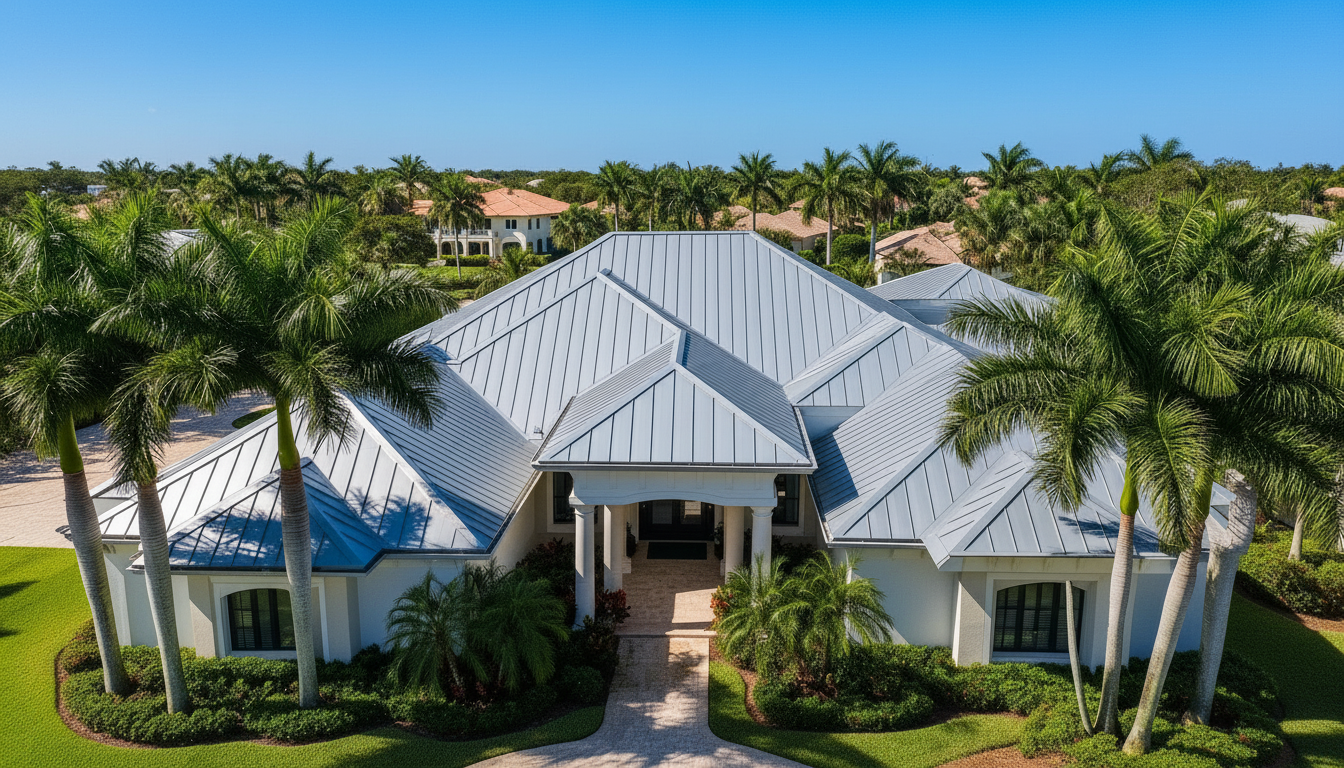
Roof Repair in Sarasota, Florida: A Homeowner's Guide
Roof Repair in Sarasota, Florida: A Homeowner's Guide Roof repair in Sarasota starts with identifying where water is entering, checking how much of the roo
Overview
Roof Repair in Sarasota, Florida: A Homeowner's Guide Roof repair in Sarasota starts with identifying where water is entering, checking how much of the roof assembly is damaged, and deciding whether a targeted repair will hold up through local storms. For an isolated flashing, shingle, or tile problem, repair may be practical; widespread deterioration or repeated leaks call for a broader evaluation before you spend more money. Why Sarasota Roofs Need a Local Approach Sarasota roofs face intense sun, humid air, frequent summer downpours, and occasional tropical storms and hurricanes. These conditions work together: heat ages roofing materials, wind can loosen their edges, and heavy rain exposes weak connections around vents, walls, and valleys. A roof that stays dry during a brief shower may leak when wind pushes rain against a vulnerable detail. Asphalt shingles, concrete and clay tiles, and metal roofing are all found on Sarasota homes. Low-slope sections are also common over additions, porches, and carports. Each requires a different repair approach. Replacing a broken tile, for example, does not necessarily fix damaged underlayment beneath it. Homes near
Continued (2)
Sarasota Bay or the Gulf may have greater exposure to salt-laden air, which can accelerate corrosion of susceptible metal components. Mature trees create another concern: overhanging limbs can rub roofing surfaces, while leaves collect in valleys and restrict drainage. Exposure varies by property, so a useful inspection considers the surroundings as well as the roof covering. Signs Your Roof Needs Attention A ceiling stain is an obvious warning, but its location may not match the roof opening. Water can travel along framing or decking before reaching the ceiling. Tell the inspector when the stain appears, whether it grows during wind-driven rain, and whether the area stays damp between storms. Other warning signs include shingles that are missing or lifted, displaced tiles, loose metal trim, rusted flashing, and debris collecting where roof sections meet. Shingle granules in gutters can indicate wear, although some shedding alone does not establish that a roof needs replacement. Watch for peeling paint near roof-to-wall intersections, musty attic odors, or damp insulation. These symptoms can also involve condensation or other building problems. The goal is to trace
Continued (3)
the source rather than assume every moisture mark requires a roofing patch. If a ceiling is bulging or sagging, keep people away from the area. Water near electrical fixtures needs urgent attention from appropriate professionals. Do not climb onto a wet roof or walk across tiles to investigate. Step by Step: Getting a Sarasota Roof Repair Right Step 1: Limit interior damage safely Move belongings away from leaks and collect dripping water if you can do so safely. Photograph stains and visible damage before cleanup. Avoid entering an attic with unstable footing, wet wiring, or signs of structural damage. Temporary exterior protection is best handled by someone equipped for roof access; a tarp is not a permanent repair. Step 2: Gather the roof's history Find installation records, previous repair paperwork, and any information about the roof material. Note when the leak began and whether it followed a particular storm. For a tile roof, leftover matching tiles may be useful. Share records of recurring leaks, even if an earlier repair seemed successful for a while. Step 3: Have the source and
Continued (4)
surrounding area inspected An inspection should consider the roof covering, flashings, penetrations, drainage paths, and accessible interior evidence. Common trouble spots include plumbing vent boots, valleys, skylights, and transitions between roof slopes. On tile roofs, evaluating the underlayment may require carefully lifting tiles. Some concealed damage becomes clear only after the repair area is opened. Step 4: Review a written repair scope The proposal should describe the location, materials, removal work, and how damaged components will be restored. Ask whether it addresses only the visible defect or the underlying water-entry path. It should also explain how concealed decking damage would be documented and priced. A bead of sealant is not a substitute for proper flashing where flashing is needed. Step 5: Confirm permits and property requirements Permit requirements depend on the work and the authority having jurisdiction. A Sarasota mailing address does not necessarily mean the property is within City of Sarasota limits; it may fall under Sarasota County or another municipality. Ask who will verify requirements and handle any necessary permit. If applicable, check association rules for visible material
Continued (5)
or color changes. Step 6: Keep completion records and monitor the area Request photos of the repair, particularly layers that will be covered, and retain the scope and invoice. After subsequent rain, check the affected interior area without entering unsafe spaces. An old stain will remain after a successful repair, so photograph its boundaries and watch for new moisture. Let materials dry before making cosmetic repairs indoors. What Affects Roof Repair Costs? A reliable price requires more than the size of a ceiling stain. The visible opening may be small while the damaged underlayment or decking extends farther. Conversely, a noticeable leak may come from one failed penetration detail that can be repaired without disturbing a large roof section. Material matters. Shingle repairs depend partly on whether surrounding shingles can be lifted without breaking. Tile work involves careful removal and resetting, plus sourcing compatible replacements. Metal repairs require compatible components and attention to fasteners, seams, and expansion. Low-slope membranes need repair methods suited to the existing roofing system. Access, roof height, slope, and the number of intersecting roof planes affect
Continued (6)
labor. Concealed wood damage, flashing reconstruction, permit requirements, and the extent of removal also influence cost. Matching older materials can add difficulty, and an exact color match may not be available. Compare written scopes rather than totals alone. Ask what is included, what remains uncertain, and how additional work requires your approval. If you plan to contact your insurer, preserve photographs and records; coverage depends on your policy, the cause of damage, and the insurer's review. When Repair Makes Sense—and When to Reconsider Repair is generally more reasonable when the problem is localized and the surrounding roof remains serviceable. A sound roof with one damaged vent flashing presents a different situation from a roof with multiple leaks, brittle shingles, or deteriorated underlayment across several tile sections. Roof age provides context, but condition matters too. Ask whether the proposed repair can connect reliably to existing materials and whether other areas show similar failures. Repeatedly patching separate leaks may become poor value. If replacement is recommended, request a clear explanation supported by observed conditions rather than age alone. Frequently Asked Questions Can
Continued (7)
one cracked roof tile cause a leak? It can contribute to water entry, but the underlayment and surrounding details also matter. Replacing the tile alone may not solve the problem if the layers beneath it are damaged. Should I wait until hurricane season ends to repair a leak? No. An active leak can worsen during ordinary summer rain. Arrange an evaluation, while recognizing that safe exterior work depends on weather and roof conditions. Does a roof leak always mean I need a new roof? No. Isolated defects can often be repaired. Multiple leaks, widespread material deterioration, or surrounding materials that cannot support a durable repair may justify considering replacement. Can I pressure-wash my roof before an inspection? Avoid doing so. Aggressive washing can damage roofing materials and make existing defects harder to assess. Ask about a cleaning method appropriate for your roof after its condition is evaluated. Have a leak or visible roof damage at your Sarasota home? Request a Roof Inspection from O'Brien Contracting.
O'Brien Contracting — Florida roofing contractor, license CCC1335947. Call (239) 919-4485.
Related pages