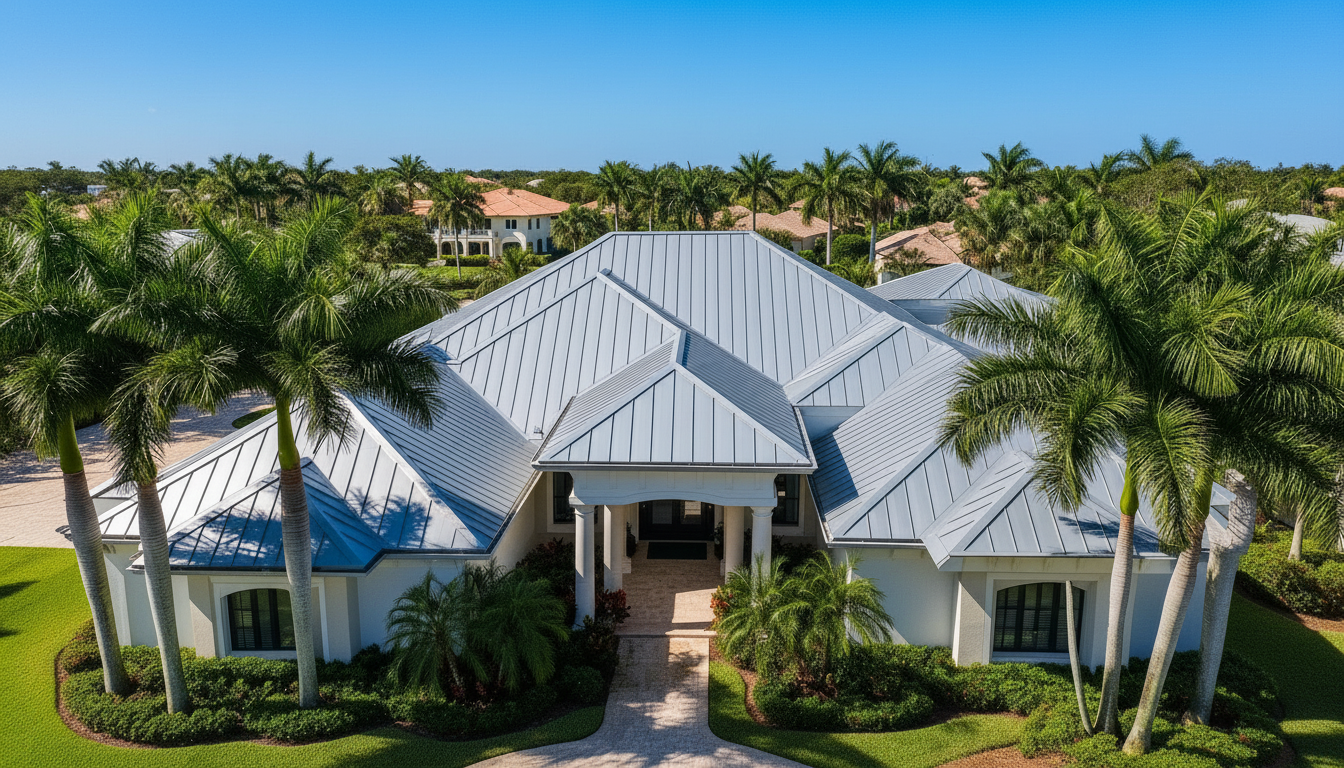
Tile Roofing in Cape Coral, Florida: A Homeowner's Guide
Tile Roofing in Cape Coral, Florida: A Homeowner's Guide Tile roofing can be a practical choice for Cape Coral homes when the roof structure, underlayment,
Overview
Tile Roofing in Cape Coral, Florida: A Homeowner's Guide Tile roofing can be a practical choice for Cape Coral homes when the roof structure, underlayment, attachment system, and drainage details suit the property and Florida’s wind requirements. For homeowners, the key decision is not just which tile looks best, but whether the entire roof assembly can handle hurricane winds, wind-driven rain, intense sun, and persistent humidity. What Cape Coral Conditions Mean for a Tile Roof On Cape Coral’s many single-story concrete-block and stucco homes, tile complements hip roofs, broad rooflines, and screened pool enclosures. Concrete tile is a familiar choice, while clay tile offers another option. Neither material makes a roof stormproof, and a concrete-block home does not automatically have framing designed to support tile. Hurricane exposure deserves particular attention. Wind pressures vary with roof shape, height, surrounding terrain, and proximity to open water. A canal-front property may have different exposure conditions than a home surrounded by established development. Roof edges, corners, hips, and ridges need carefully designed attachment because wind forces are not uniform across the roof. Summer thunderstorms
Continued (2)
also push rain beneath overlapping tiles. Tile sheds most rainfall, but the underlayment and flashing provide essential protection when water gets underneath. A roof can look intact from the street while concealed waterproofing details have deteriorated. Heat and humidity add slower wear. Sun exposure and high roof temperatures affect roofing components over time, while damp, shaded areas encourage algae growth and hold debris. Coastal salt exposure can also influence the selection of metal flashing and fasteners. These conditions make material compatibility and workmanship more important than appearance alone. Concrete or Clay: What Should You Compare? Concrete tile offers different profiles, colors, and finishes, including shapes that resemble traditional barrel tile. Clay tile provides distinctive color and texture, with performance that depends on the specific product and installation. Both are heavy compared with asphalt shingles, and both can break under impact or careless foot traffic. Compare actual product specifications rather than assuming all tiles perform alike. Weight, approved roof slope, attachment options, wind resistance, and availability of matching replacement pieces can differ. Confirm that the selected tile and installation system are
Continued (3)
appropriate for the home’s site conditions. Color matters for appearance and surface temperature, but tile alone does not guarantee lower cooling bills. Attic insulation, air sealing, duct condition, ventilation design, and the roof assembly all influence indoor comfort. Treat broad energy-savings promises cautiously unless they are supported by information specific to your home. The Parts You Cannot See Matter Most A tile roof is a system: decking, underlayment, flashing, attachments, and tiles must work together. Valleys concentrate runoff. Plumbing vents and other penetrations interrupt the roof surface. Wall intersections and transitions near additions require details that direct water outward instead of trapping it. During replacement, the contractor should evaluate exposed decking and address deterioration before covering it. The proposed underlayment must be compatible with the tile system and applicable requirements. Fasteners or adhesive attachment must follow the approved installation details, not a generic method used on every house. Ask how the work will address gutters, solar equipment, and connections near a pool enclosure. These interfaces can affect access and water flow. They also help explain why two apparently similar Cape
Continued (4)
Coral homes can require different roofing scopes. Step by Step: Planning a Tile Roofing Project Step 1: Establish the Roof’s Actual Condition Start with an inspection of the roof surface and accessible attic areas. Identify broken or displaced tiles, damaged flashing, signs of deck deterioration, and evidence of moisture. Share when leaks occur, especially if they appear only during wind-driven rain. Interior stains alone do not pinpoint the entry location. Step 2: Confirm Whether Tile Fits the Structure If the house already has tile, confirm the proposed replacement’s weight and requirements rather than assuming every product is interchangeable. If converting from shingles or another lighter material, have structural capacity evaluated. Any needed engineering or reinforcement belongs in the project plan before materials are ordered. Step 3: Compare Repair and Replacement Scopes A limited repair may make sense when damage is localized and the surrounding roof system remains serviceable. Widespread underlayment deterioration, recurring leaks, or extensive storm damage may support replacement. Ask what each option addresses and what it leaves untouched, including concealed conditions that cannot be confirmed without opening the
Continued (5)
roof. Step 4: Review Products, Permits, and Property Restrictions Confirm applicable City of Cape Coral permit requirements and the current code requirements for the proposed work. Review product approvals and site-specific attachment details. If the property has association restrictions, check color and profile rules before ordering. Ask who will coordinate required inspections and provide completion documents. Step 5: Put the Complete Scope in Writing The written scope should identify tile, underlayment, flashing, attachment methods, removal work, and debris handling. It should also explain how hidden deck damage and other additional work will be priced and authorized. Discuss protection for landscaping, driveways, pool areas, and neighboring property where access is tight. Step 6: Review Completion and Maintenance Needs At completion, review inspection status, project documentation, and any maintenance instructions. Ask for photographs of concealed work when available. Keep product information and records for future repairs. Matching tile can become difficult to source, so discuss whether retaining a small quantity of spare pieces is practical. What Affects Tile Roofing Costs in Cape Coral? A meaningful estimate requires more than the home’s advertised
Continued (6)
square footage. Roof surface area, pitch, hips, valleys, and access all affect labor and material quantities. A complicated roof with multiple intersections generally requires more detailing than a straightforward roof of similar size. Tile selection, underlayment, attachment requirements, and flashing specifications also influence cost. Removal of the existing roof, disposal, permit-related expenses, and any structural evaluation add to the scope. Decking repairs are another variable, and their full extent may not be visible until tear-off. Occupied properties bring practical considerations, too. Limited material-staging space, delicate landscaping, pool cages, and equipment removal or reinstallation can change the work involved. Compare proposals line by line rather than choosing solely by the total. A lower number may exclude important work that another proposal includes. Maintenance Without Creating More Damage Check the roof from the ground after significant storms and look inside for new stains or damp areas. Arrange an inspection if tiles appear shifted, ridge pieces are missing, or debris has struck the roof. Do not climb onto wet or damaged tile; walking on it can cause additional breakage. Keep drainage paths clear
Continued (7)
and nearby branches from contacting the roof. For algae or discoloration, ask about cleaning methods appropriate for the specific tile. Aggressive pressure washing can damage surfaces or force water where it does not belong. Cosmetic staining does not automatically mean replacement is needed. Frequently Asked Questions How Long Does a Tile Roof Last in Cape Coral? There is no single reliable lifespan for every tile roof. Tiles may outlast the underlayment beneath them. Installation quality, storms, maintenance, and flashing condition all affect when repairs or replacement become necessary. Can Broken Tiles Be Replaced Individually? Often, yes, if compatible replacements are available and nearby components remain sound. The repair should also check the underlayment and attachments beneath the damaged area rather than simply covering a possible leak source. Does Tile Roofing Prevent Hurricane Damage? No. A properly designed and installed system can improve wind performance, but severe winds and flying debris can still cause damage. Product suitability, attachment details, roof condition, and exposure all matter. Can Existing Tiles Be Reused With New Underlayment? Sometimes, but reuse depends on tile condition, breakage
Continued (8)
during removal, replacement availability, and compatibility with the proposed installation. Ask for an evaluation before assuming the existing tiles can all be saved. Considering repairs or replacement for your Cape Coral tile roof? Request a Roof Inspection from O'Brien Contracting.
O'Brien Contracting — Florida roofing contractor, license CCC1335947. Call (239) 919-4485.
Related pages