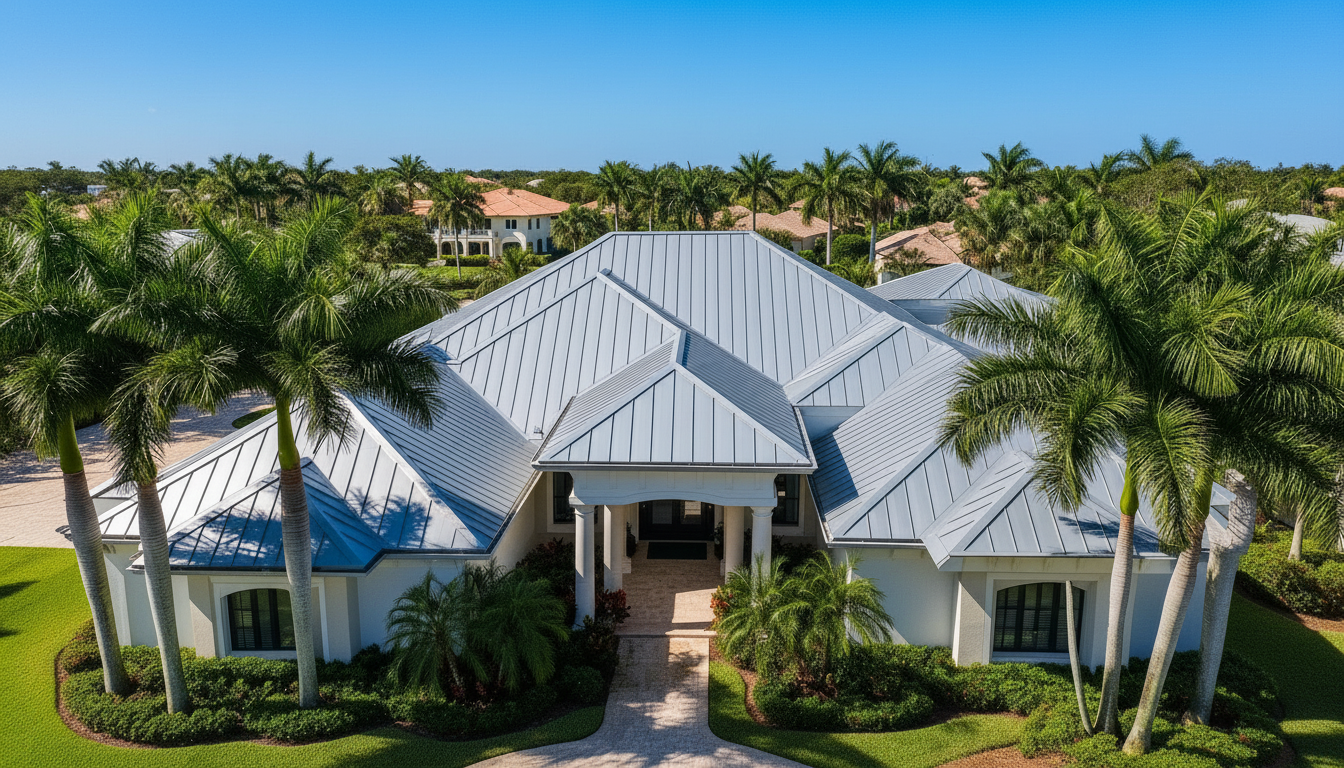
What a Roof Inspection Report Includes
What a Roof Inspection Report Includes A roof inspection report includes the roof’s visible condition, documented defects, photographs, inspection limitati
Overview
What a Roof Inspection Report Includes A roof inspection report includes the roof’s visible condition, documented defects, photographs, inspection limitations, and recommended repairs or further evaluation. For Florida homeowners, it should also explain how storm exposure, intense heat, humidity, and drainage conditions affect the findings and which problems deserve attention first. The report should identify your property, the inspection date, the areas examined, and the methods used. Its value comes from connecting observations to practical decisions—not simply declaring that your roof “passed” or needs replacement. Basic Roof Information and Inspection Scope A useful report starts with the roof covering: asphalt shingles, concrete or clay tile, metal, or a low-slope membrane. It should identify separate roof sections, such as a main house, garage, and enclosed porch, because materials and conditions can differ. The roof’s age may appear, but the source matters. Installation records, permit information, and a homeowner’s estimate are not equally conclusive. When the age cannot be verified, the report should say so rather than presenting a guess as fact. The scope explains whether the inspector walked the roof, viewed
Continued (2)
it from the ground or a ladder, used aerial images, or entered accessible attic areas. Weather, steep slopes, fragile materials, and blocked access can limit an inspection. Unexamined areas should be clearly identified. Findings for Each Major Roof Component Roof covering and exposed fasteners For shingle roofs, findings may include missing tabs, creases, curling, exposed nails, or concentrated granule loss. Tile reports should distinguish cracked, slipped, and missing tiles. Metal roof observations may address corrosion, loose panels, seams, and deteriorated fastener washers. The report should distinguish appearance issues from defects that could affect water resistance. A cracked tile does not, by itself, establish the condition of the underlayment beneath it. Surface observations alone cannot confirm that concealed components are sound. Flashing, penetrations, and roof transitions Flashing directs water around chimneys, walls, skylights, plumbing vents, and other interruptions in the roof. Reports should describe loose metal, corrosion, damaged vent boots, open joints, or questionable patching at these locations. Transitions between roof sections deserve attention because they concentrate runoff. A report should identify the affected location precisely, such as “flashing at the
Continued (3)
rear porch-to-wall connection,” rather than leaving you with a vague note about “bad flashing.” Drainage, edges, and supporting areas Findings may cover valleys, gutters, downspouts, drip edges, and low-slope drains. Debris, obstructed outlets, and evidence of standing water can indicate drainage problems. The report should distinguish water observed during the visit from staining that only suggests previous ponding. Accessible fascia, soffits, and roof decking may also be assessed. Sagging, staining, or deteriorated wood should be documented, but a visual inspection cannot establish the condition of every concealed structural member. Attic observations and interior evidence If attic access is included and available, the report may document visible staining, damp insulation, daylight at unexpected openings, ventilation conditions, and signs of condensation. Interior ceiling stains may also be photographed when those rooms are examined. A stain does not automatically prove an active roof leak. Plumbing leaks, air-conditioning condensation, and older repaired leaks can leave similar marks. The report should separate confirmed observations from suspected causes and recommend additional testing when needed. What Florida Conditions Add to the Report Florida thunderstorms can expose weaknesses
Continued (4)
at roof edges, penetrations, and flashing. After high winds, an inspector may document displaced materials, damaged ridge components, or debris impacts. Those observations should not become an unsupported claim about when the damage occurred or which storm caused it. Wind-driven rain can enter openings that ordinary rainfall does not reveal. A dry inspection day may therefore show no active dripping even when a homeowner has experienced leaks during storms. Your description of when and where water appeared helps guide the inspection. Heat and ultraviolet exposure contribute to material aging, while humidity can complicate attic moisture conditions. Dark streaks or surface growth are not, by themselves, proof of structural deterioration. Near the coast, salt exposure makes documentation of metal corrosion especially relevant. The report should connect these conditions to actual findings at your home. General comments about Florida weather are not a substitute for photographs and specific observations. How to Read Your Roof Inspection Report: Step by Step Step 1: Confirm the property and inspection details Check the address, date, roof sections, and inspection methods. Confirm that the report covers the
Continued (5)
area connected to your concern. If your leak is over an addition, a report addressing only the main roof leaves an important gap. Step 2: Read the limitations before the conclusions Look for inaccessible attic spaces, areas obscured by debris, and surfaces that could not be safely examined. “No damage observed” means something different when an area was viewed from the ground rather than inspected closely. Step 3: Match each finding to a photograph Useful photos include both a close-up and enough context to locate the defect. Captions should explain what is visible. A picture of a damaged vent boot is more helpful when it identifies the roof section and the recommended next step. Step 4: Separate urgent issues from routine work Look for clear priorities: active water entry, loose materials, or significant sagging warrant prompt attention. Other findings may call for scheduled repairs, maintenance, or monitoring. Recommendations should explain the urgency instead of labeling every defect an emergency. Step 5: Review recommendations and unresolved questions Determine whether each issue calls for repair, further investigation, or replacement evaluation. Ask what
Continued (6)
evidence supports the recommendation. If the report suggests replacement, it should explain the condition or extent of deterioration behind that conclusion—not rely only on age. Costs: What Affects the Inspection and Follow-Up Work Inspection costs depend on roof size, height, slope, access, material, and the level of documentation requested. Multiple roof sections, difficult attic access, or specialized diagnostic work can increase the scope. Ask what the quoted service includes before scheduling. A basic visual inspection differs from leak tracing, moisture testing, or an evaluation that requires opening part of the roof. These services may involve separate charges and authorization. A written report may also be priced differently from a verbal condition review. Repair costs depend on the defect, access, material availability, and concealed conditions discovered during work. A small visible problem can require more involved repairs if nearby underlayment or decking is deteriorated. Conversely, an isolated defect does not automatically justify replacing the entire roof. An inspection report is not necessarily a repair proposal. Request a separate written scope that identifies the work, materials, exclusions, and how unexpected concealed damage
Continued (7)
would be handled. Frequently Asked Questions Does a roof inspection report tell me exactly how many years my roof has left? No. It may offer a condition-based estimate, but remaining service life depends on installation, maintenance, weather, and concealed conditions. An estimate is not a guaranteed replacement date. Is a roof inspection report the same as a wind mitigation report? No. A general roof inspection focuses on condition and defects. A wind mitigation inspection documents specific wind-resistant construction features, often for insurance purposes. Confirm which document you need before booking. Can I use the report for an insurance claim? A report may help document observed conditions, but it does not determine coverage or guarantee claim approval. Your insurer may request additional documentation or conduct its own inspection. Will the report find every roof leak? No. Hidden or intermittent leaks may not be apparent during a visual inspection. The report should explain limitations and identify whether targeted testing or additional access is needed. Get clear documentation of your roof’s condition and recommended next steps. Request a Roof Inspection from O'Brien Contracting.
O'Brien Contracting — Florida roofing contractor, license CCC1335947. Call (239) 919-4485.
Related pages